Childhood Trauma, Relationships &
Family Patterns
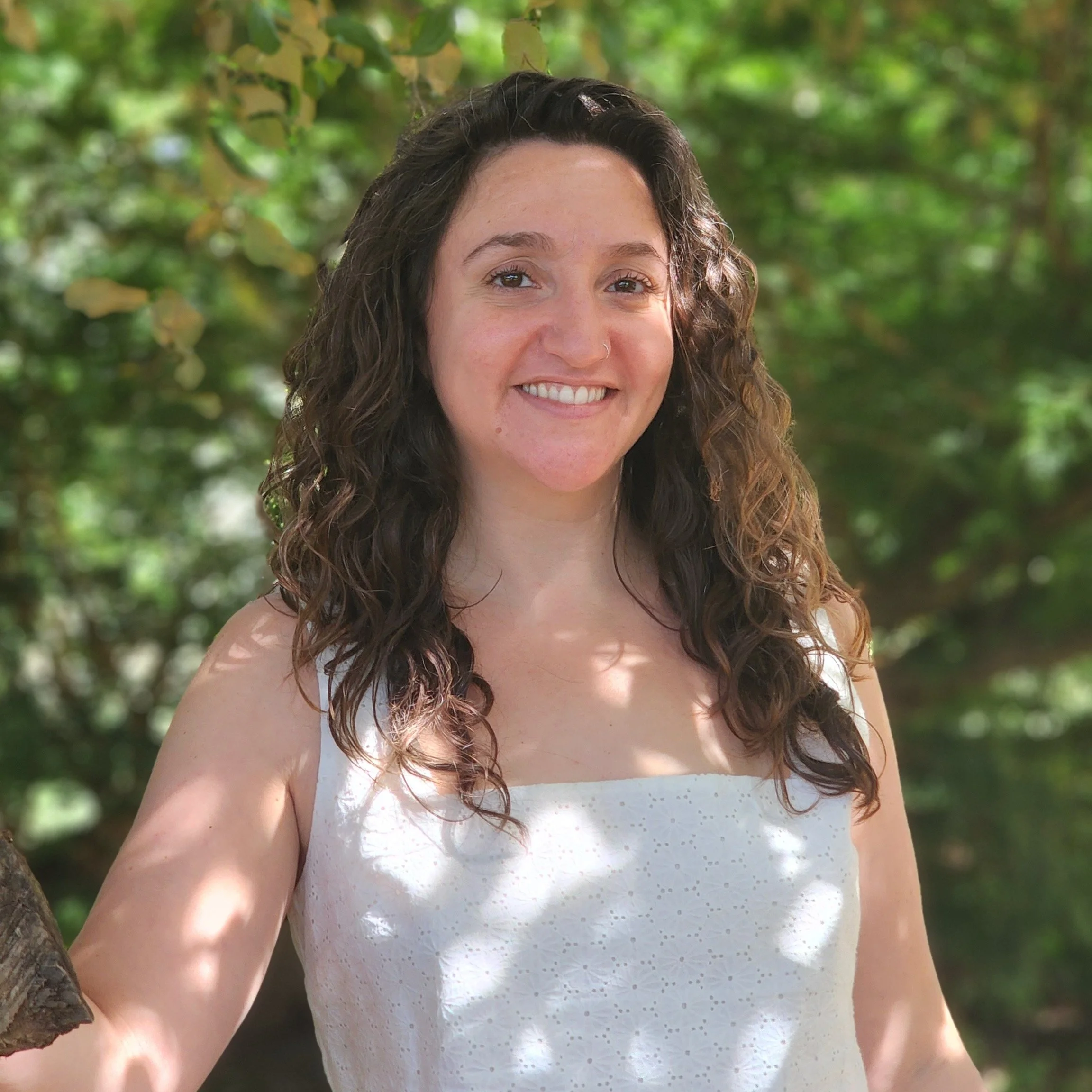
Carly Stanton, LPC, MT-BC
For 13+ years, I've helped adults understand how childhood experiences and family patterns continue shaping their relationships, self-worth, and the way they move through the world.

If you've spent years wondering why you struggle to set boundaries, why you feel responsible for everyone else, or why you keep ending up in the same painful relationship patterns, it can be easy to assume something is wrong with you.
But our earliest relationships teach us about love, conflict, safety, belonging, and even what we believe we deserve. Sometimes the patterns that frustrate us most today began as ways of adapting to the environments we grew up in.
Clients Come To Me When..
You might be doing great on paper. You're getting through work, showing up for everyone else, and checking all the boxes. But underneath it all, something keeps happening.
You keep ending up in the same relationships. You can't seem to set boundaries. You feel responsible for everyone else's emotions. You're exhausted, and you're starting to wonder, "Why do I keep repeating the same patterns?"
Many people don't come to therapy because they think they have unresolved childhood trauma or unhealthy family patterns. They come because they're tired of living the same story over and over again.
Old Patterns Show Up in
So Many Ways
You might recognize yourself in some of these experiences:
Wondering, "Why do I keep ending up in the same relationships?"
Feeling responsible for everyone else's emotions.
Having a hard time saying no, even when you're overwhelmed.
Walking on eggshells to keep the peace.
You've spent years believing you're "just nice," "the responsible one," or "the peacemaker," and you're beginning to wonder
whether those are parts of your personality—or ways
you learned to survive.
Clients almost always say,
“but my childhood wasn’t that bad” and yet…
Whatever brought you here, therapy isn't about staying stuck in the past.
It's about understanding your story with enough curiosity and compassion that it no longer has to keep writing your future.
Understanding your past isn't about pointing fingers or blaming the people who raised you.
It's about understanding how your earliest experiences shaped who you are, how you relate to other people, and the way you move through the world.
My hope is that you leave therapy with more self-compassion, healthier relationships, stronger boundaries, and the freedom to make choices based on who you are today instead of what you had to do to survive.
Therapeutic Techniques I Use

Some people need space to process trauma they've carried for years. Other people need to grieve what they didn't receive, understand why certain relationship patterns keep repeating, or finally stop blaming themselves for things that were never theirs to carry. Most people end up needing a little of all of it.
Together, we'll figure out what actually helps, what doesn't, and adjust as we go.
-
Helps us understand how your earliest relationships shaped the way you see yourself, your needs, and your relationships today.
-
Helps us connect what happened then with what’s happening now, so old patterns can start making sense instead of feeling like something is wrong with you.
-
Helps you make room for difficult thoughts and emotions while choosing how you want to live now, rather than continuing to live by old survival rules.
-
Helps you understand what happens when old wounds get activated and find ways to feel safer and more grounded in the present.
-
Helps you understand your emotions, communicate your needs, and set boundaries without feeling responsible for everyone else.
Therapy With Me
Breaks Old Patterns

My clients report:
Understanding themselves instead of blaming themselves.
Recognizing old patterns before repeating them.
Responding to triggers with more confidence instead of fear.
Setting boundaries with less guilt.
Stopping feeling responsible for everyone else.
Building healthier, more fulfilling relationships.Trusting themselves instead of constantly second-guessing their decisions.
Believing their needs matter just as much as everyone else's.
Stopping carrying things that were never theirs to carry.
Living by their values instead of old survival rules.
My hope is that, over time, your past becomes more integrated into your story, and that one day you'll stop living by narratives that were written for you and start writing your own.
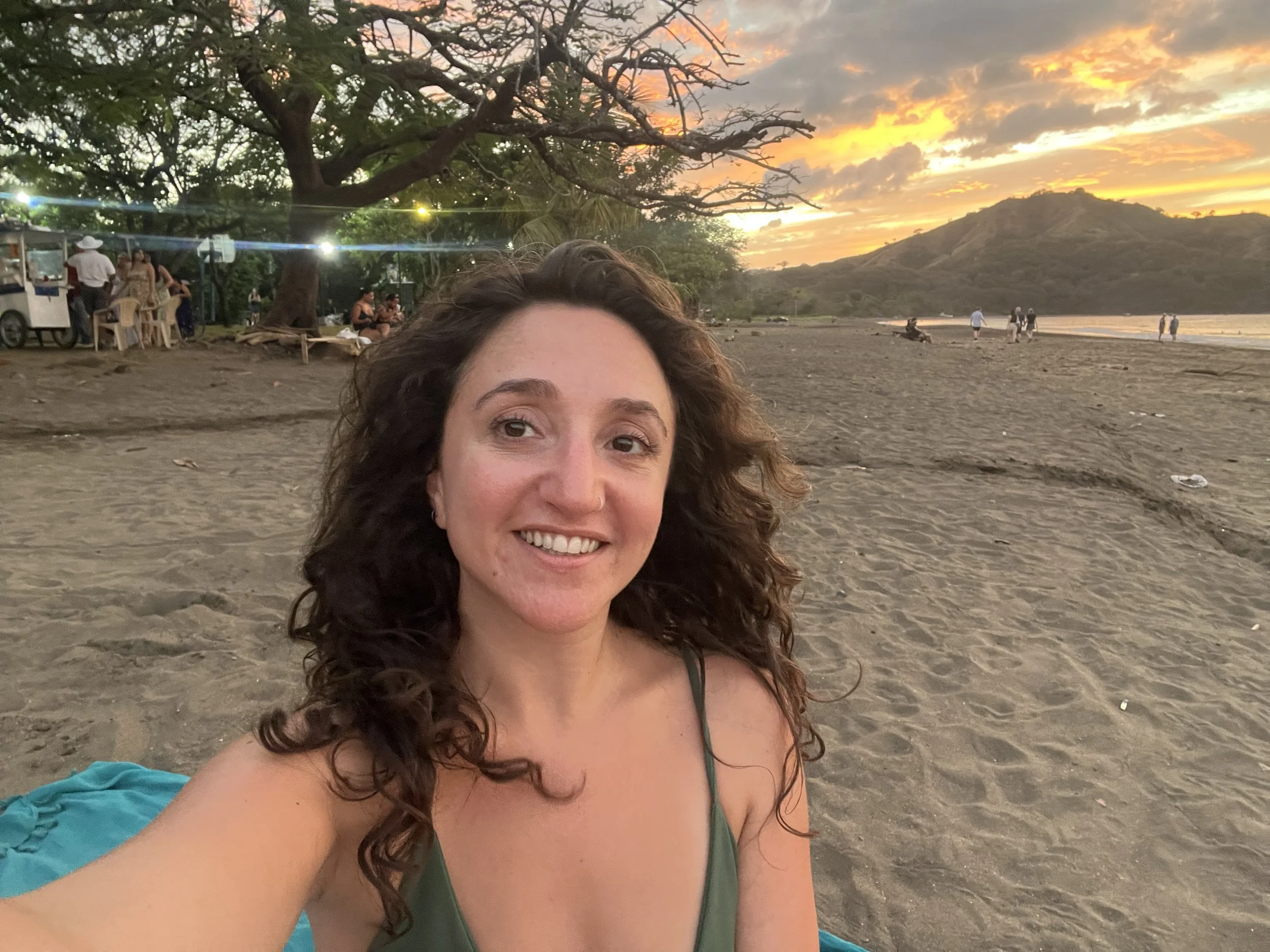
About Carly Stanton,
LPC, MT-BC
Hi, I'm Carly!
Over the years, I've worked with many adults who felt stuck repeating the same relationship patterns, struggled to set boundaries, or carried beliefs about themselves they couldn't quite explain. As we began making sense of their stories together, those patterns started to feel less random. Instead of asking, "What's wrong with me?" they started asking, "Of course I learned to survive this way... but do I still need to?"
That's a big part of why I'm so passionate about this work. My hope isn't just that therapy helps you process your past. It's that you stop carrying things that were never yours to carry, understand your story with more compassion, and feel free to start writing the next chapter on your own terms.
One of the things I love most about this work is that people make sense. I genuinely believe there's a reason we do the things we do. Maybe it's something from childhood. Maybe it's your family, your relationships, your culture, your community, or something you haven't connected yet. I love getting curious with people and figuring out why.
I'm honest, engaged, and warm. I'll let you know what I'm thinking and noticing instead of leaving you wondering what's going on in my head. We'll figure it out together. There will probably be laughter too, because I think humor can be a really important part of healing.
Outside of Therapy
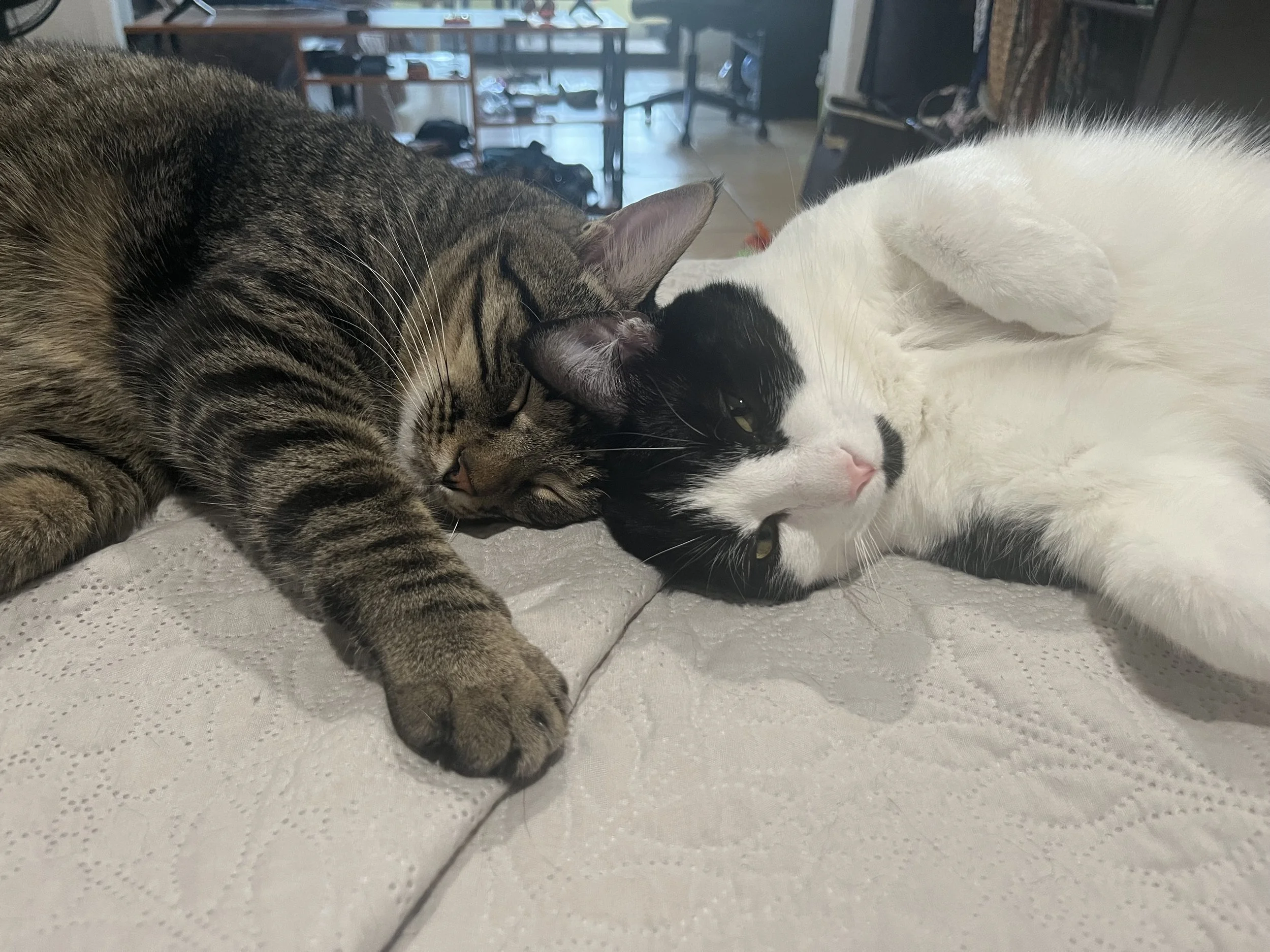
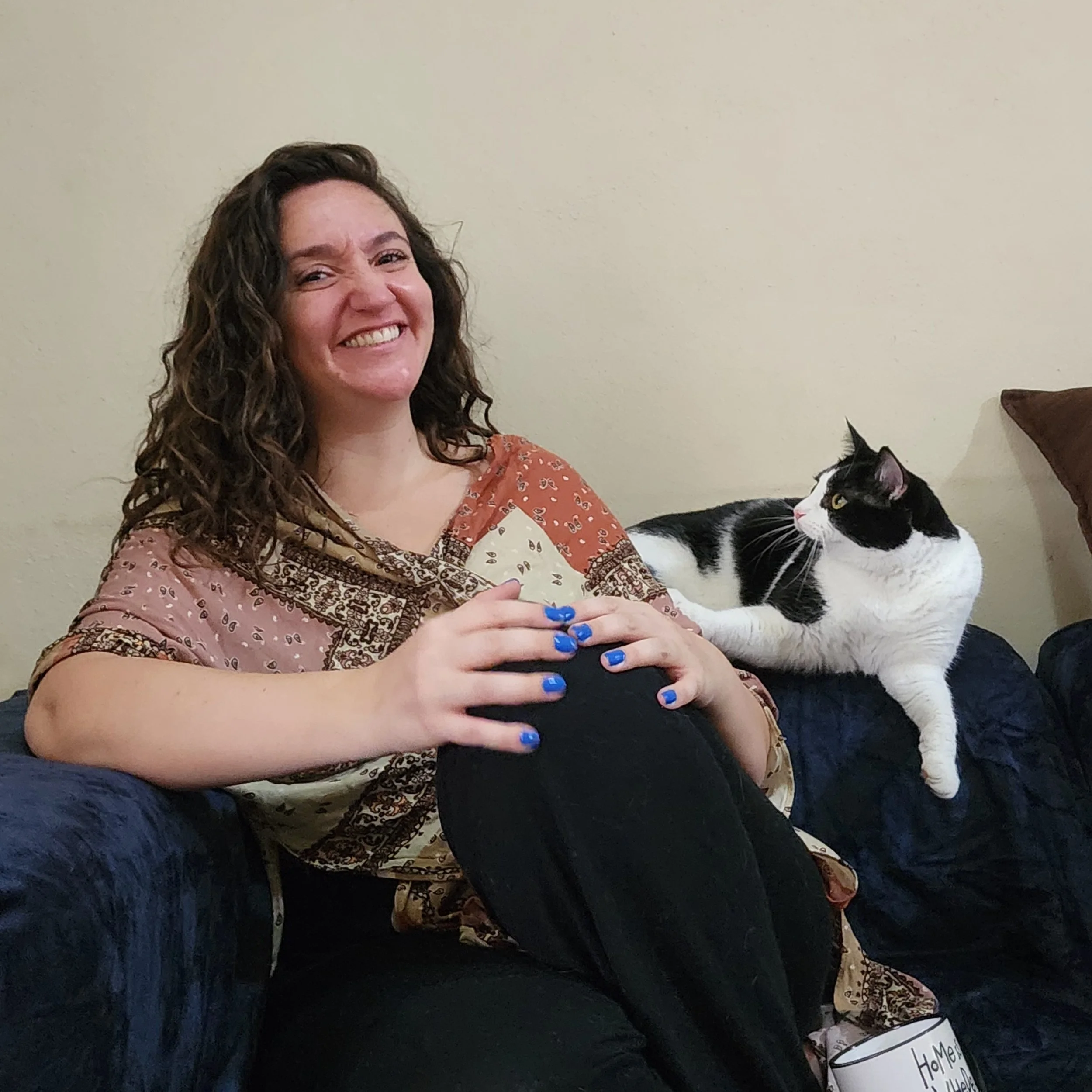
Outside of therapy, you'll usually find me hanging out with my two cats, Moo Moo and Magnum, playing board games or video games. When my vertigo decides to cooperate, I love scuba diving in the Pacific Ocean. One of my favorite parts of living in Costa Rica is waking up to the sound of the howler monkeys outside my home and watching the mama monkeys with their babies hanging onto them as they move through the trees. I'm also a huge fan of improv comedy and am still hoping to find, or maybe even start, a group here in Costa Rica.
Education, Credentials, & Trainings
Master's Degree in Music Therapy
Bachelor's Degree in Psychology
Licensed Professional Counselor (LPC)
Board-Certified Music Therapist (MT-BC)
13+ years of experience across inpatient psychiatry,
crisis intervention, PHP, IOP, outpatient therapy,
group therapy, and private practice.
Therapy FAQs
-
Not at all. I'm not here to convince you that your childhood was worse than you think it was. Sometimes people had wonderful childhoods with a few experiences that really stuck with them. Other times, they don't realize how much certain family dynamics shaped them until much later in life.
Sometimes it's not one big event. Sometimes it's the subtle messages we absorbed when we were young and trying to make sense of the world around us.
Whether your childhood was joyful, difficult, or somewhere in between, understanding where some of your patterns came from can be incredibly helpful. It's not about deciding whether your past was "bad enough." It's about understanding yourself a little better.
-
Absolutely.
One of the biggest misconceptions about this kind of therapy is that it's about blaming your parents. It isn't. It's about understanding your story.
Sometimes our parents truly did the best they could with what they had. Sometimes they caused real harm. Sometimes both things are true at the same time.
Therapy isn't about deciding who's to blame. It's about understanding your story so you can stop blaming yourself.
-
No. Your childhood is part of your story, but it isn't your whole story.
I think of it like the roots of a tree. Understanding the roots helps explain how the tree grew, but we're also paying attention to the branches, the leaves, and what's happening today. We'll spend our time focusing on whatever feels most important to you, whether that's something from your past, something happening right now, or both.
-
Definitely.
Most people come to therapy because of what's happening right now—their relationships, anxiety, people-pleasing, burnout, or feeling stuck. Understanding your past can help explain how you got here, but my goal isn't to keep you living in the past.
Sometimes we need to understand the then so you can better navigate the now. And sometimes the work naturally becomes more focused on the present as you begin feeling more confident and free.
Get Started in 4 Steps
-
Fill out the free consultation form and tell me a little about what’s bringing you to therapy. I’ll get back to you within one business day to schedule a time to talk.
-
This is a chance for us to get to know each other. You can ask any questions you have, tell me a little about what’s been going on, and together we’ll see if we’re a good fit.
-
If we decide to work together, we’ll schedule your first full session. We’ll spend some time getting to know your background, what shaped you, and what’s bringing you to therapy now. From there, we’ll figure out what you want to work on together.
-
From there, every session looks a little different because every week of life is different. Sometimes we’ll process what’s happening right now. Other times we’ll explore patterns that have been with you for years, make sense of experiences that still affect you today, or work toward new goals. We’ll keep building on what we learn together.
You Don’t Have To Do This Alone Anymore
If any of this resonated with you, I'd love to connect.